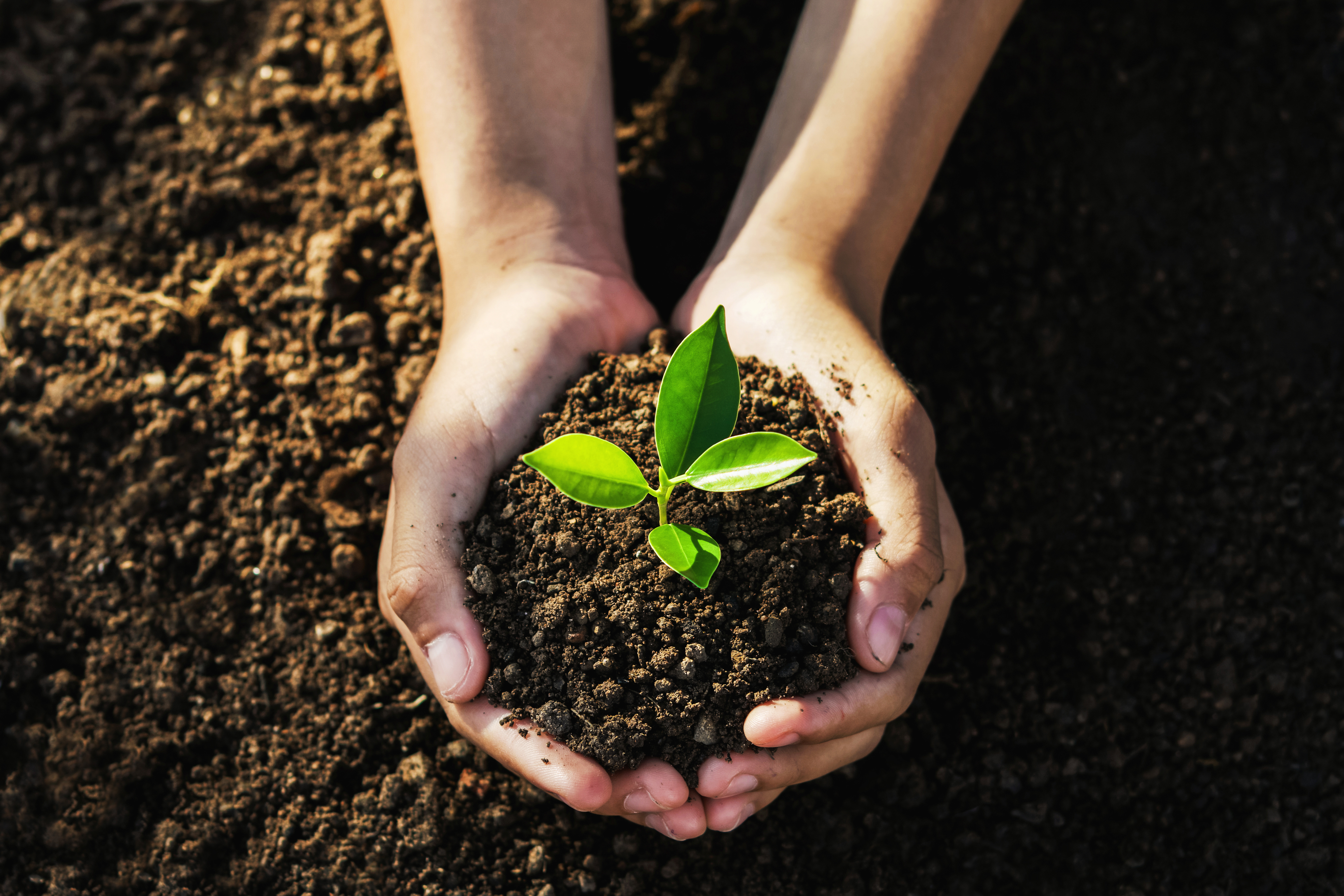
Since the first Earth Day in 1970, the annual observance has raised awareness about protecting the environment, reducing pollution and caring for the natural world. Whether you spend April 22 planting a tree, cleaning up trash in your community or just being outdoors, Earth Day invites reflection on how our natural and built environments shape our health and well-being.
How the Environment Affects Health
Our physical environment plays a significant role in overall health and well-being. Environmental factors such as air and water quality, extreme temperatures and exposure to harmful substances directly affect the risk of chronic disease, infectious illness and poor health outcomes.
Globally, air pollution is estimated to contribute to more than 8 million premature deaths per year and increases the risk of asthma, heart disease, lung cancer, chronic obstructive pulmonary disease, stroke, type 2 diabetes and adverse birth outcomes. Heat exposure is also associated with increased risk of preterm births.
The “built environment” matters too. Urban design, access to green spaces, walkable neighborhoods and housing quality significantly affect physical activity levels, mental health and overall quality of life.
A Commonwealth Fund state scorecard ranks all 50 states and Washington, D.C. across indicators related to environmental health risk, preparedness for extreme weather events and population vulnerability. Within CareFirst BlueCross BlueShield’s (CareFirst) service area, the results show both progress and opportunity:
- Maryland ranked 7th overall and 2nd in health risk from extreme heat.
- Washington, D.C. ranked 11th overall and 24th in health risk from extreme heat.
- Virginia ranked 18th overall and 4th in health risk from extreme heat.
While Maryland, D.C. and Virginia are all in the top 40% nationally, there is still work to do to improve the environmental conditions that support healthier communities.
How CareFirst Supports Environmental Health
At CareFirst, caring for the communities we serve includes caring for the environment we share. That commitment starts with where we work. CareFirst’s Washington, D.C. headquarters in Metropolitan Square is a LEED-Gold Certified Building, reflecting sustainable design, energy efficiency and low environmental impact.
CareFirst also engages employees through several Employee Resource Groups (ERGs), including the Action on Sustainability, Climate Change and the Environment (ASCE) ERG. ASCE brings together CareFirst Difference Makers who are passionate about environmental health and leads programming efforts that raise awareness and advance community well-being.
Beyond the workplace, CareFirst supports community initiatives that promote sustainability and healthy living. We sponsor the D.C. Bike Ride, an annual 20-mile social bike ride that builds community while encouraging active, low‑carbon transportation. In June 2025, CareFirst partnered with D.C. Bike Ride to provide bikes to more than 200 students in underserved communities across our service area.
Volunteering is also central to CareFirst’s mission. Our teams regularly partner with community organizations on environmental projects, including the ASCE-led beach cleanup at Sandy Point State Park in Maryland.
Caring for the Earth Every Day
Earth Day reminds us that protecting our planet isn’t a one‑day effort—it’s a shared, ongoing responsibility. The everyday choices individuals and organizations make can add up to meaningful impact over time.
Here are simple ways to support both environmental and community health:
- Reduce, Reuse, Recycle, Rethink and Repair to lessen environmental impact.
- Participate in volunteering opportunities that improve and protect local environments.
- Choose nutritious diets rich in fruits and vegetables to help reduce food waste.
- Walk, bike or use public transportation when possible to reduce air pollution.
Care for our community wellbeing includes care for our Earth and each day we can work together to achieve the goal of a healthier planet and population.